Wee Wonders is a monthly toddler program designed to give young children (the wee and the wee at heart) the opportunity to partake in activities that promote the development of social, motor, emotional, and cognitive skills. The activities are designed around a nature-related theme and include information that teaches care givers more about the theme as well.
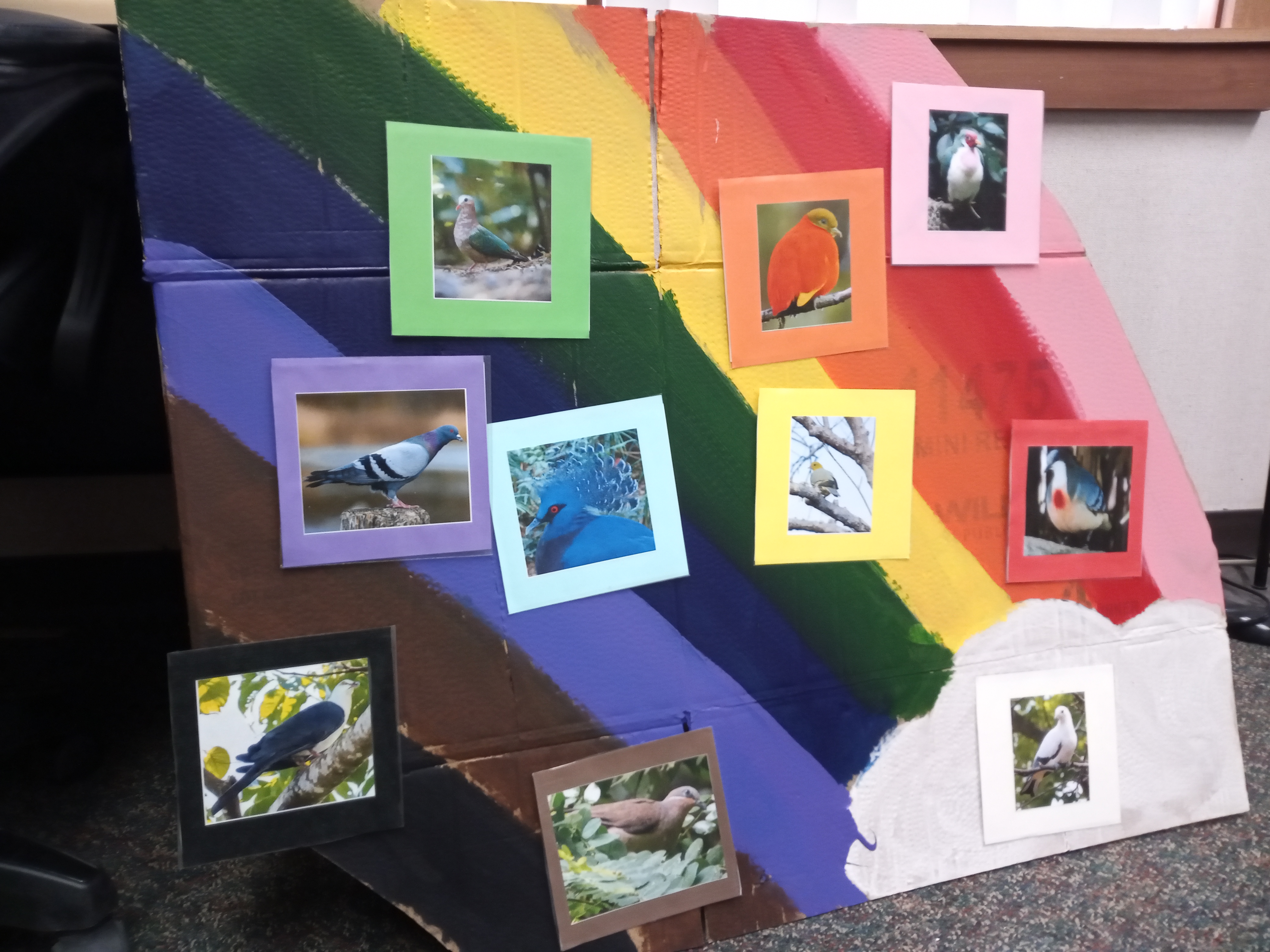
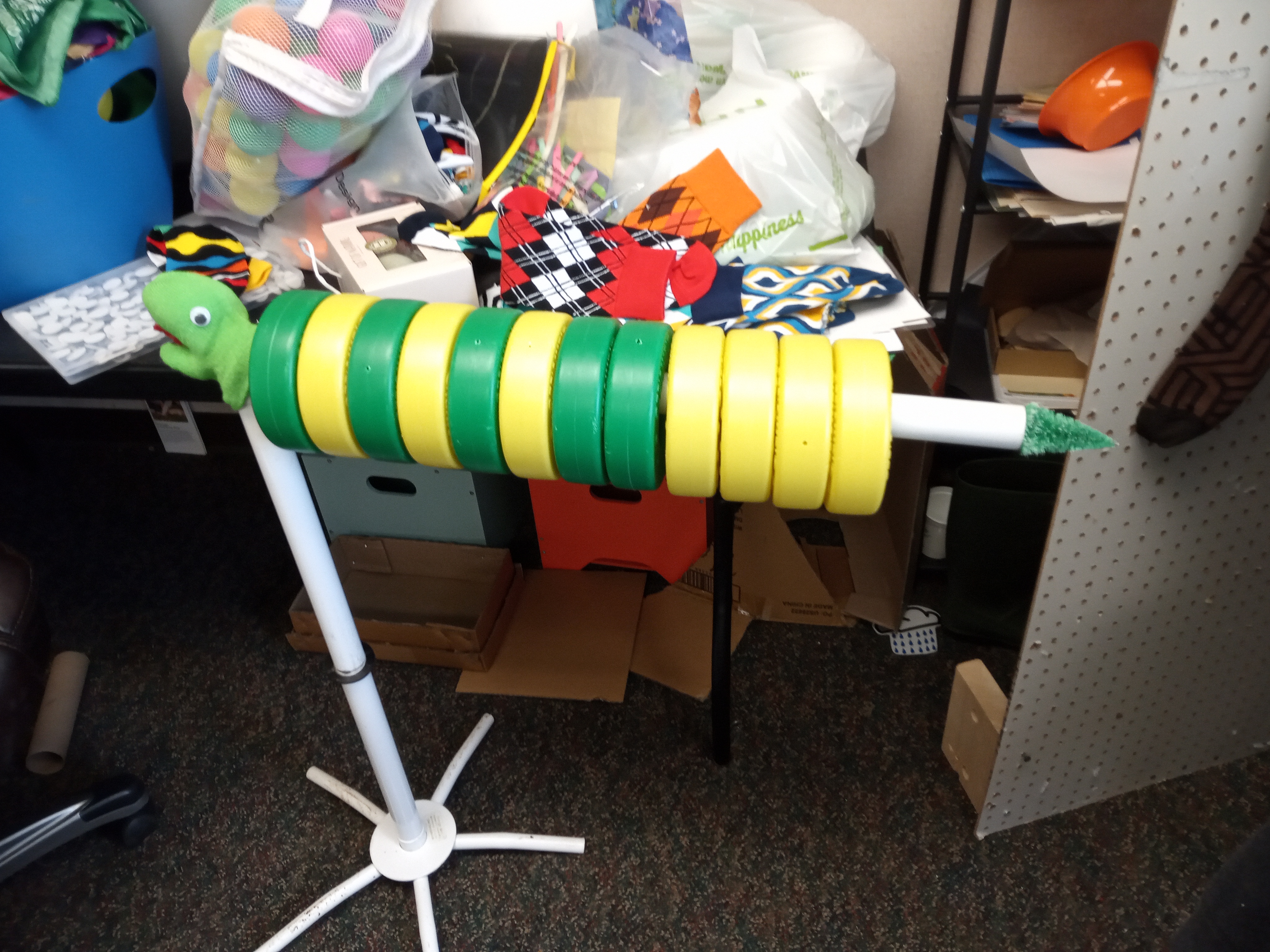

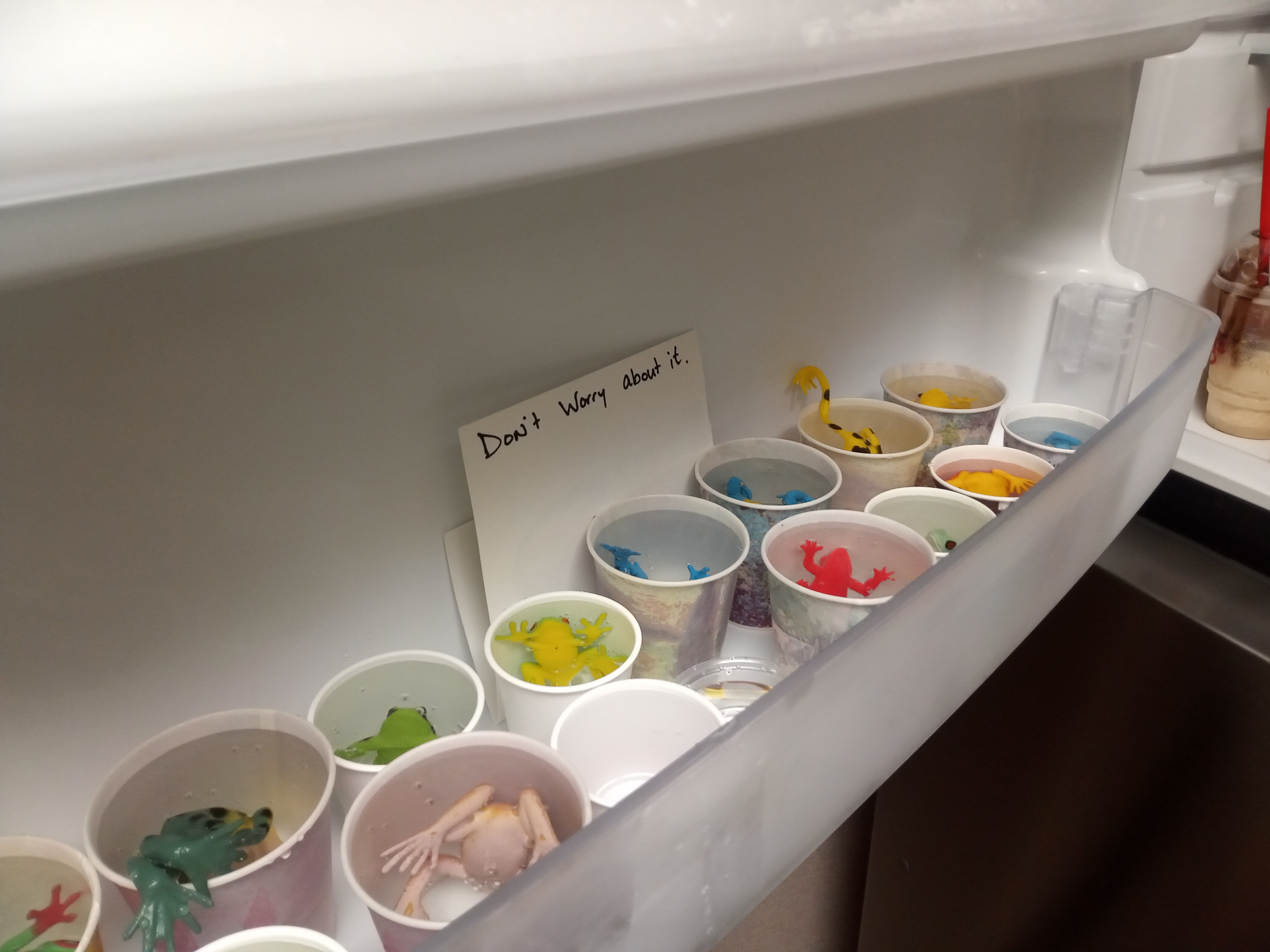
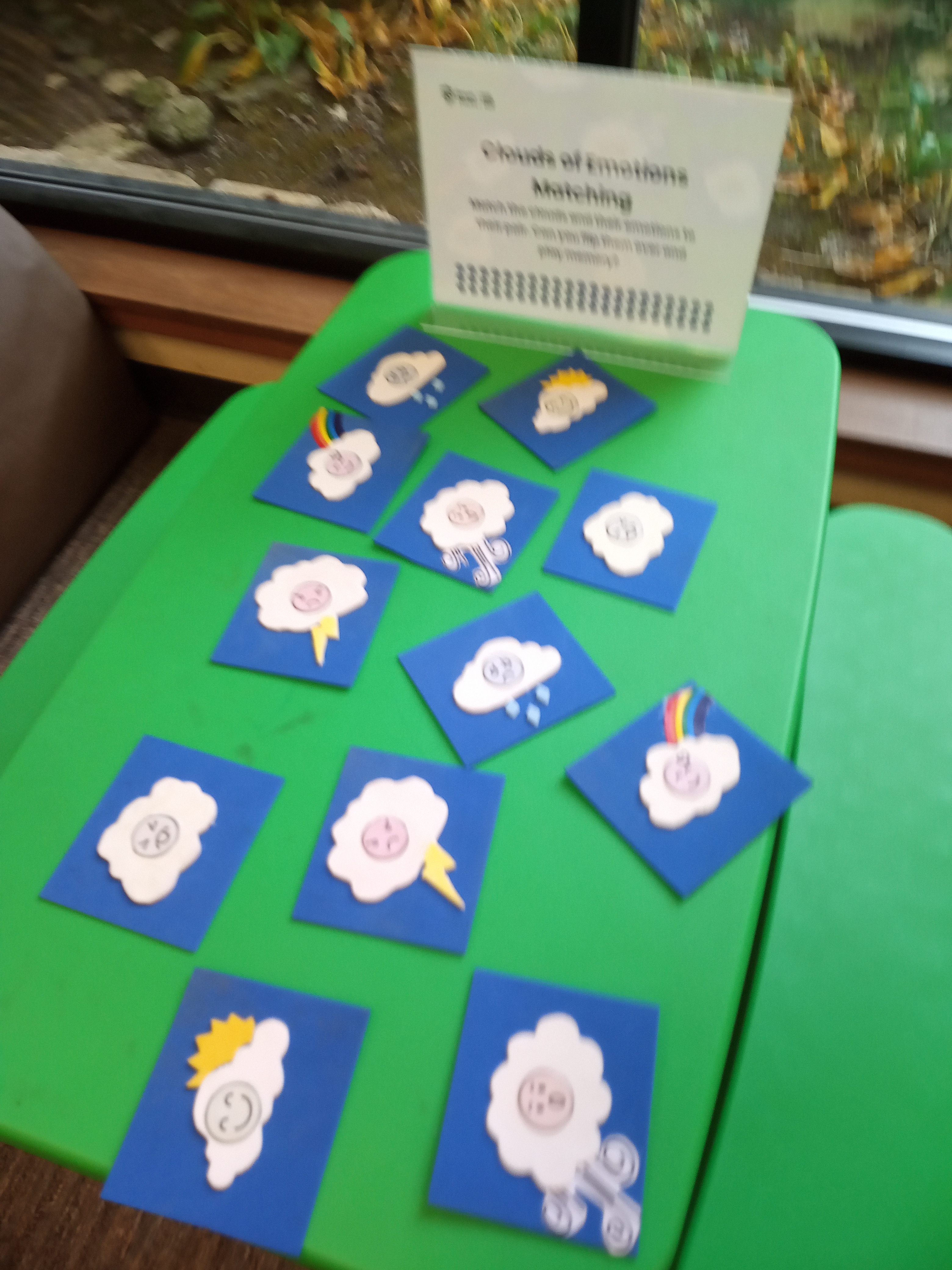
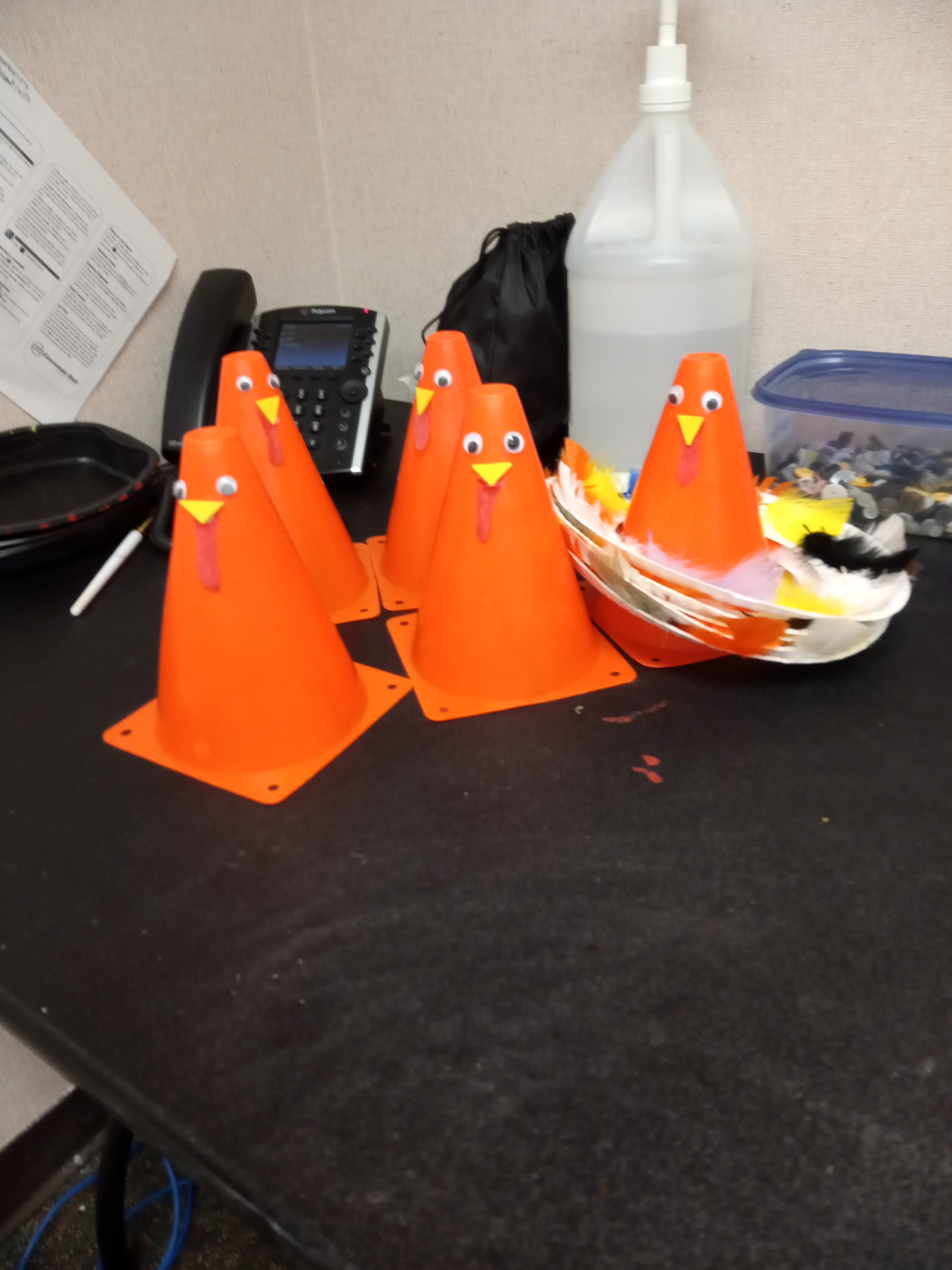
Wee Wonders Philosophy and Program Template
Wee Wonders is a “toddler program,” designed for children aged 2-5 that occurs once a month. The program is built around developmentally appropriate activities and is a time for participants to explore their own skills and development, socialize with other children, and generally enjoy being out of their homes for a bit with engaging things to do. There is a theme each month to add cohesion to the activities, but there is precious little emphasis on academics. The unofficial motto of Wee Wonders is “Whatever makes you happy.” This motto encourages guardians to allow their children to interact with the activities in whatever ways make sense to the child. As long as the child is safe and ideally not causing too much destruction, they can play with the materials however they see fit despite whatever instructions have been paired with the station. Another helpful refrain for interpreters hosting this event is “We expect a mess.” Many guardians will apologize for messes and odd but developmentally appropriate behaviors of their children; put their minds at ease by reminding them that we wouldn’t do toddler programs if we wanted to keep things tidy.
Program Planning
When planning the program, my goal is to have seven activities. I do not know where this number came from but it seems to work. The types of activities should encourage practice of developmentally appropriate skills such as:
- Color and/or shape matching
- Number matching/basic counting
- Fine motor skills
- Gross motor skills
- Social-emotional skills
- Parallel play
- Sensory engagement
- Creativity and imagination
The vast majority of the activities I end up putting together are either taken directly from the internet or inspired by an activity on the internet. A Google Image search for your topic + activities for toddlers/kids/preK will give you a wide variety of options; just make sure whatever you decide to do is appropriate for the age group. Crafts or activities with too many steps will be frustrating for these youngsters. Most children in this age bracket do not read yet and have a very basic understanding of letters, if this concept has been introduced to them at all.
Animal Tales or another toddler program can be a good place to use the same craft as you plan to use for Wee Wonders. In generally, the Animals Tales crowd has more adult support and less activities overall which gives you a good idea of where things might go wrong with Wee Wonders. This also saves you time and energy in preparing multiple crafts for different programs.
Setting Up the Program
This section is pretty specific to our the nature center where I facilitated this program.
Most often I set this program up in the Wildlife Viewing Room, if possible I’ll get materials down there the night before. I like using this space for many reasons but one is that it always children to transition to free play in the space after exploring the program activities. I always have an explanatory sign with each activity to help adults help children.
The set up itself will vary based on your needs. This video shows how Wee Wonder about Clouds was set up. Adult chairs and the large tree table will be moved to make more appropriate space. The lighter adult chairs can be placed near activities so adults have places to sit and work with their children. The small square table and small picnic table are great places to set up smaller activities; the former fits well next to the reading nook by the door.
We have two adjustable tables that should be in the downstairs classroom closet that work great for these programs as they can be set up to be low to the ground for toddlers. There should also be 6 small yellow chairs that can be used at these tables.
The walls of the Wildlife Viewing Room lend themselves nicely to having felt or sheets stapled to them. The windows obviously can have items taped to them and the window sill can prop up a white board for magnetic activities.
The wagons usually fit pretty well between the desk and the wall as a place to tuck it away. Try not to block the door that goes to the auditorium as this is a fire escape route.
The program is scheduled to run for 1 hour but can remain open as long as the interpreter can supervise and children are still engaging with the program. Some activities can be left out unattended, but this is not recommended as many small parts can be hazards, program materials get mixed in with everyday items in the Wildlife Viewing Room, and front desk staff do not always feel comfortable with these items being out as the responsibility for them often falls to them once the interpreter is gone.
Setting Up Outside
There are occasions when hosting Wee Wonders outside makes sense. The space by the bird mews works well in a pinch but of course you can get creative.
Advertising
Making a wet erase board sign for the day of Wee Wonders can go a long way, especially when it’s nice out and people will be on the playground. It always helps to let the folks at the front desk know what’s going on so they can point people back to us.
I’ve adapted our half-size flyer template to advertise upcoming Wee Wonders and other toddler programs that I hand out during events. Always ask grownups if they’ve been to Wee Wonders before and let them know when the next one is/when they are. Also let them know the WVR is always open when the rest of the building is open.
 Margaret Janz - Hermit Warbler